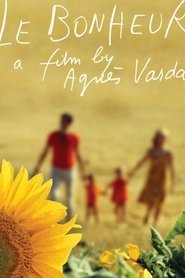
“Happiness 1965” is a cinematic exploration of the elusive pursuit of happiness. With a poetic touch, it captures the essence of human nature and our innate desire for contentment. The film follows a young woman on her journey towards self-discovery, offering a window into the complex and often contradictory emotions that define us as individuals. Raw and unfiltered, the movie transports viewers to a time where social norms were shifting and new ideas were taking shape. Through its powerful imagery and nuanced storytelling, “Happiness 1965” invites us to reflect on our own pursuit of happiness and what it truly means to be happy.
CLICK HERE⇟⇟⇟🎞️_Watch Happiness 1965 English Subtitles_
Review
In the world of cinema, Happiness, a 1998 movie by Todd Solondz, stands out as a dark and twisted tale that delves into various aspects of human life. The film follows the lives of three sisters – Joy, Trish, and Helen – and their families as they navigate through their daily struggles. Gabriel Garcia Marquez’s writing style would be perfect for describing the complexities and emotions present in this film.
The storyline of Happiness can be challenging to describe but also incredibly fascinating. It revolves around the different sexual desires of the characters and how they impact their relationships with others. The characters are all unconventional, each containing unique flaws that make them human. Even though the movie plays out like an ensemble piece, each person has their own distinct personality and problems to overcome.
The plot jumps seamlessly between scenes that depict family dysfunction, sexual exploitation, phone sex operators, pedophilia tendencies and infidelity. However disturbing you may find these themes; they form an intricate web that blends together perfectly.
Happiness was not without controversy upon its release; many criticized its frank nature of dealing with taboo topics like incest and rape. But it didn’t stop the exceptional cast from putting forth brilliant performances.
The cast was flawless as they embodied their characters’ quirks with ease. Jane Adams played Joy – a woman suffering from depression who finds solace in anonymous sexual encounters over the phone. Dylan Baker portrayed Bill Maplewood – a father concealing his desire to molest children from his family while working as a respected psychiatrist.
There are plenty of quotes from the film that capture its dark humor and absurdist sensibilities well: “I’m under medication because of my psychiatric condition,” Joy says when confessing to her Dutch pen pal about her sordid phone sex habit. “I’ve been going to therapy four times a week.”
One aspect that features heavily in Gabriel Garcia Marquez’s writing is history; Happiness may not have an ancient history, but the events that inspired the story are rooted in the American psyche. The movie portrays concepts of suppressed desires, dysfunctional families, and mental illness – all of which are part of the American experience of living in a fast-paced world.
The score of Happiness is minimal, yet unsettling. The music by Scott Walker is sparse but effective when it appears in scenes that require tension or attention.
The film’s popularity continues despite its dark nature and controversial themes. It received high praise from critics and audiences alike for its unflinching portrayal of taboo topics that aren’t often explored in cinema.
Happiness was filmed with a handheld camera, giving a raw look to its scenes and adding to the sense of awkwardness present throughout. The lighting was kept muted to add to the bleakness and absurdity of the stories unfolding onscreen.
Todd Solondz provides his commentary on his characters without being overtly judgmental or preachy. His direction ensures that every frame, every shot, every line spoken adds up to tell an unforgettable tale about everyday people grappling with life’s complexities.
While Happiness didn’t receive much recognition during awards season, it’s regarded as one of Solondz’s seminal works and has since gained an ardent cult following as one of the most thought-provoking films ever made.
Cinematography aside, dialogue plays an essential role in Happy. The script is masterfully written, not shying away from challenging topics while focusing on character development rather than shock value. Every character has their unique voice and personality traits that add depth and humor to their dialogue exchanges.
One memorable scene sees a man telling his date about his plan to write a book about how “the French always have stale bread while Americans have too much food on their plates.” The absurdity is present throughout Happiness but works effectively due to how deftly it’s handled by Solondz.
There were several special effects used in the film, but nothing that overpowers the story. Every effect was done with purpose and careful consideration of how it would affect the mood and tone.
The production team must be acknowledged for creating an environment that complemented Solondz’s vision. The editing was seamless, ensuring that every scene flowed naturally from one to another without ever feeling disjointed or jarring.
In conclusion, Happiness is a masterpiece of dark comedy that explores the uncomfortable aspects of humanity with respect and insight. It’s a movie that’s not for everyone, but its thought-provoking nature ensures that it will be watched and discussed for years to come. Gabriel Garcia Marquez’s writing style would have undoubtedly done justice to this fantastic film.
Technical Data
- Runtime : 79
- Release : 1965-02-10
- Genre : Drama, Romance
- Cast : Jean-Claude Drouot as François Chevalier, Marie-France Boyer as Émilie Savignard, Marcelle Faure-Bertin, Manon Lanclos, Sylvia Saurel
- Crew : Agnès Varda as Director, Agnès Varda as Writer, Antoine Bonfanti as Sound Assistant, Michel Choquet as Unit Production Manager, Claude Zidi as Camera Operator
- Popularity 7.862
- Budget : 0
- Revenue : 0
- Company : Parc Film
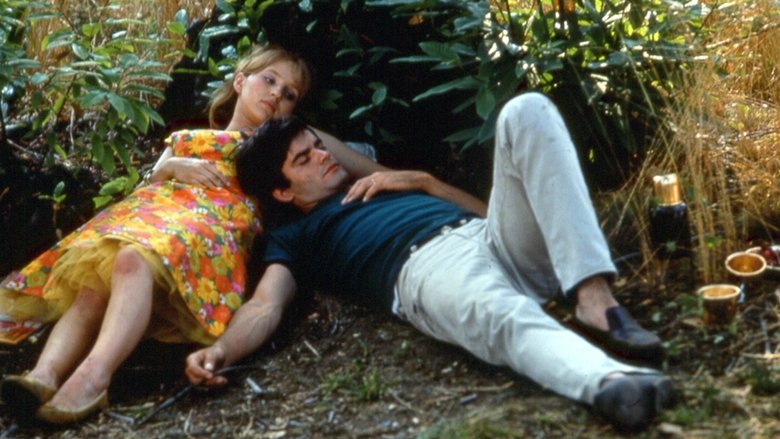
- Summary : A young husband and father, perfectly content with his life, falls in love with another woman.
- Tagline : Only a woman could dare to make this film.
