“Bataan 1943” is a war movie set in the Philippines during World War II. The Americans were outnumbered by the Japanese and had to fight their way out of the jungle, like a cornered animal. The soldiers showed bravery and determination as they fought against overwhelming odds, but the brutal reality of war took its toll on them. Despite their sacrifices, some soldiers were unable to make it out alive.
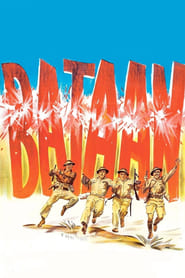
CLICK HERE⇣⇣⇣🎥_Watch Bataan 1943 English Subtitles_
Review
Simon Sinek once said, “People don’t buy what you do, they buy why you do it.” This quote perfectly encapsulates the spirit behind the creation of the film Bataan in 1943. Based on the textbook battle between American and Filipino soldiers fighting against Japanese occupation during World War II in Bataan Peninsula, this movie was made to remind people of the bravery and sacrifice of those who fought for freedom.
The movie opens with an intense battle scene that sets the tone for what’s to come. The sound of gunfire is deafening as soldiers fight for their lives against an enemy force that seems to have unlimited resources. The camera pans over the faces of these brave men, showing their fear and determination in equal measure.
As we delve deeper into the plotline, we come across various characters that make up this diverse group of soldiers. Each one has their own backstory, motivations and internal battles that they must fight alongside external threats. From Sergeant Bill Dane (played by Robert Taylor) to Corporal Juan Katigbak (played by Kenneth Spencer), every character has a unique personality that adds depth to the story.
One standout moment in this movie is when Sergeant Bill Dane says, “We’re not just fighting for our country anymore. We’re fighting for our lives.” This quote captures a pivotal moment where these soldiers realize that they are no longer just defending their home soil but fighting for survival against impossible odds.
The acting in Bataan is commendable – each actor brought their A-game to portray their respective roles convincingly. The seamless incorporation of Filipino actors into this predominantly American cast deserves special mention, as it added authenticity to the portrayal of Filipinos during WWII.
Bataan was released at a time when America was still reeling from its defeat at Pearl Harbor, and tensions were high across the country. This movie became an instant classic as it served as a source of inspiration and reminded people that their country was still fighting for its freedom.
The score of Bataan, composed by Bronislau Kaper, is exceptional. The music captures the mood of each scene with precision and adds depth to the storytelling. From the somber tones of “Farewell to Katigbak” to the rousing “Marching Through Bataan,” the music creates an emotional connection with the audience.
Filming Bataan wasn’t a walk in a park either – it took place during a time when America was at war with Japan, which meant that resources were scarce. Director Tay Garnett had to make do with whatever materials were available, but he managed to create something beautiful out of limitations.
Bataan has received positive critical reception over the years and has rightfully earned its place in history as an important war movie. It also won an Academy Award for Best Sound Recording in 1944, which was well-deserved given the challenges that faced the crew during production.
Apart from awards, Bataan has also inspired many other movies over time. The depiction of soldiers fighting for survival against impossible odds has become a genre in itself, thanks in part to this movie’s influence.
The cinematography of Bataan is breathtaking – each shot conveys visual poetry and demonstrates attention to detail. The use of shadows and light helps create a sense of foreboding while highlighting the vulnerability of these soldiers.
There are several scenes worth mentioning in this movie – from moments where we get to see characters’ backstories to intense fight sequences. One standout scene is when Corporal Juan Katigbak takes care of his wounded friends despite facing his own fate any moment – it makes for an emotional moment that’s hard not to be moved by.
One cannot talk about Bataan without discussing its soundtracks. From beginning to end, the music adds another layer of depth and emotionality to each scene – every note feels thoughtfully placed. The film’s theme song, “Bataan Has Fallen”, is equally compelling and has become synonymous with the movie itself.
The analysis of Bataan reveals its true value – it is more than just a war movie. It is a reminder of the sacrifices that people have made for their country and how those sacrifices have shaped history. The dialogue in this movie has an authenticity to it that is hard to put into words, but one can feel it seeping through every line.
Behind the scenes, there were several crews that played a vital role in bringing this story to life. From visual effects to sound production, every department worked tirelessly to create something remarkable.
There has been some criticism towards Bataan for being too pro-American and not acknowledging the Filipino troops enough. While it’s true that this was predominantly an American production, it did feature several Filipino actors who played significant roles in the story.
Development of Bataan came at a time when America needed something to rally behind – it became a beacon of hope and inspiration during some of the darkest periods of the war. The editing does justice to all the efforts put in by everyone involved – each shot flows seamlessly into another, resulting in an immersive experience.
In conclusion, Bataan continues to be an essential piece of cinematic history that reminds us of the bravery and sacrifice made by those who fought against impossible odds for freedom during WWII. Its influence on subsequent war movies is undeniable, but perhaps more importantly, its message inspires even today – reminding us that we are all capable of making sacrifices for a cause we believe in.
Technical Data
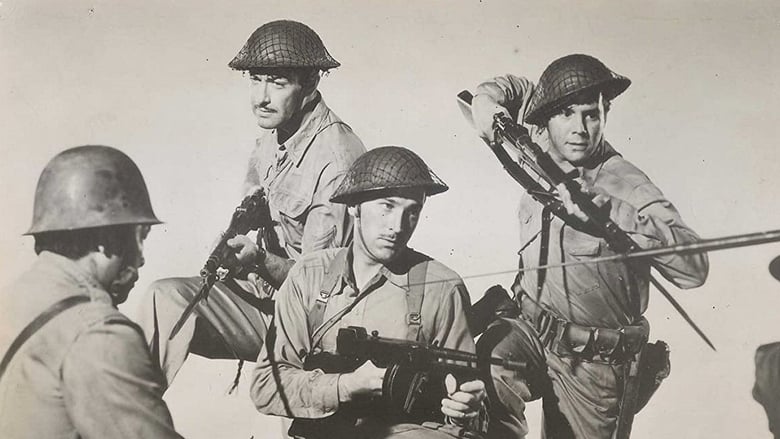
- Runtime : 114
- Release : 1943-06-03
- Genre : Action, Drama, War
- Cast : Robert Taylor as Sgt. Bill Dane, George Murphy as Lt. Steve Bentley, Thomas Mitchell as Cpl. Jake Feingold, Lloyd Nolan as Cpl. Barney Todd, Lee Bowman as Capt. Henry Lassiter
- Crew : Lyle R. Wheeler as Art Direction, Cedric Gibbons as Art Direction, Edwin B. Willis as Set Decoration, Leonid Raab as Orchestrator, Warren Newcombe as Special Effects
- Popularity 4.892
- Budget : 0
- Revenue : 0
- Company : Loew’s Incorporated, Metro-Goldwyn-Mayer
- Summary : During Japan’s invasion of the Philippines in 1942, Capt. Henry Lassiter, Sgt. Bill Dane and a diverse group of American soldiers are ordered to destroy and hold a strategic bridge in order to delay the Japanese forces and allow Gen. MacArthur time to secure Bataan. When the Japanese soldiers begin to rebuild the bridge and advance, the group struggles with not only hunger, sickness and gunfire, but also the knowledge that there is likely no relief on the way.
- Tagline : THE STORY OF A PATROL OF 13 HEROES
