“Dobermann 1997” is a high-octane French crime film about a group of ruthless bank robbers led by the titular character, Dobermann. Dobermann is a fierce criminal mastermind with a loyal gang of equally ruthless henchmen, including his girlfriend, Nathalie. The gang’s latest heist brings them into conflict with the police and leads to an all-out war as they try to evade capture and stay one step ahead of their pursuers. With lots of action, violence and edgy characters, “Dobermann 1997” is a tense and dramatic thriller that will keep you on the edge of your seat from start to finish.
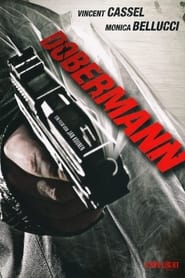
CLICK HERE⭣⭣⭣☑️_Watch Dobermann 1997 English Subtitles_
Review
In the wasteland of modern cinema, where formulaic plots and recycled themes reign supreme, a small film from 1997 managed to carve its own niche with style and grace. “Dobermann,” directed by French filmmaker Jan Kounen, is a wild ride through the criminal underworld of Paris, filled with blood, bullets, and black humor. In this article, we will take a closer look at this overlooked gem through the eyes of George Orwell – a writer who knew a thing or two about subversive art.
The story of “Dobermann” revolves around the titular character (played by Vincent Cassel), a ruthless gang leader who gathers his crew of misfits for one last heist before going out in a blaze of glory. His main target is the Bank of France, which holds an impressive amount of cash and jewels. However, they soon realize that they have attracted the attention of the police force led by Christini (Tchéky Karyo), an eccentric detective with a personal vendetta against Dobermann.
At its core, “Dobermann” is a modern take on classic noir movies, with all their tropes and archetypes turned up to eleven. The film’s characters are larger than life: Dobermann himself is an unstoppable force of nature who revels in chaos and destruction; his girlfriend Nat the Gypsy (Monica Bellucci) is a femme fatale who can handle herself both in bed and in combat; his accomplices range from a psychotic albino to a mute giant with superhuman strength. As Orwell would say: “These are not real people, but symbols.”
The plot itself is simple enough to follow but packed with enough twists and turns to keep you on your toes. There are double-crosses within double-crosses, sudden deaths and miraculous survivals, as well as some genuinely funny moments that break the tension just enough. One of the film’s most memorable scenes involves a chase through a shopping mall, where Dobermann and his crew use everything from shopping carts to trampolines to evade the cops. It’s a thrilling sequence that showcases Kounen’s talent for kinetic action.
The performances in “Dobermann” are top-notch across the board, with Cassel being the standout as the titular antihero. He imbues Dobermann with equal parts charisma and menace, making him both likable and terrifying at the same time. Bellucci, in one of her earliest roles, is also excellent as Nat, delivering lines like “I don’t need love, I need respect” with conviction and sass. Karyo is a great foil to Cassel’s Dobermann, bringing a level of gravitas and humor to his role as Christini.
One thing that separates “Dobermann” from other crime movies is its soundtrack. Instead of the usual generic score or licensed songs, Kounen opted for an original electronic soundtrack by French musician Joachim Garraud. The result is a pulsating mix of techno, house, and breakbeat that perfectly complements the film’s frenetic pace. There are even moments where the music takes center stage, like during a club scene where Nat dances seductively while Garraud’s beats thump in the background.
Despite its cult status among some movie buffs, “Dobermann” was not well-received upon its release in France or abroad. Critics derided it for its excessive violence and lack of substance, while audiences didn’t show much interest either. However, over time it has gained a following thanks to its unique style and unabashed embrace of genre conventions. As Orwell once wrote: “Every serious work of art has two sides: one towards itself and another towards life.”
In conclusion, “Dobermann” is a film that deserves more attention than it has received. It’s a prime example of how genre filmmaking can be both entertaining and thought-provoking, with enough nods to classic movies to please cinephiles and enough originality to stand out on its own. Whether you’re a fan of crime movies, action flicks, or just good old-fashioned escapism, “Dobermann” is a movie that delivers the goods with style and attitude. As Orwell would say: “Good art is always subversive.”
Technical Data
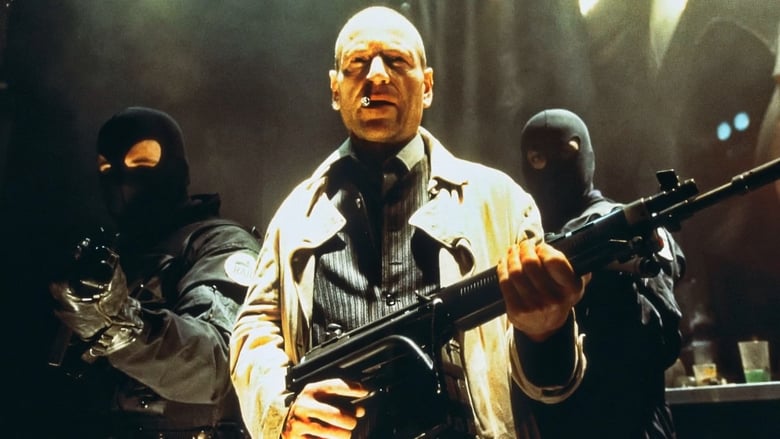
- Runtime : 103
- Release : 1997-06-18
- Genre : Action, Crime
- Cast : Vincent Cassel as Yann Le Pentrec aka Dobermann, Tchéky Karyo as Inspecteur Sauveur Cristini, Monica Bellucci as Nathalie, Antoine Basler as Jean-Claude Ayache, dit “Moustique”, Affif Ben Badra as Le mac
- Crew : Michel Amathieu as Director of Photography, Chattoune as Costume Design, Éric Névé as Producer, Jan Kounen as Director, Jean-Jacques Hertz as Original Music Composer
- Popularity 11.078
- Budget : 0
- Revenue : 0
- Company : PolyGram Audiovisuel, Enigma Pictures
- Summary : The charismatic criminal Dobermann, who got his first gun when he was christened, leads a gang of brutal robbers. After a complex and brutal bank robbery, they are being hunted by the Paris police. The hunt is led by the sadistic cop Christini, who only has one goal: to catch Dobermann at any cost.
- Tagline :
