“The Last House on the Left 2009” is a brutal and intense horror film. A group of sadistic criminals find themselves at the mercy of two parents who will stop at nothing to protect their daughter. It’s a rollercoaster ride of violence, revenge, and survival. The movie is a bloody battle between good and evil, with no holds barred. It is not for the faint-hearted or easily disturbed.
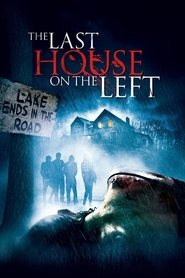
CLICK HERE↓↓↓☑️_Watch The Last House on the Left 2009 English Subtitles_
Review
As we settle down to watch the movie “The Last House on the Left,” we are hit with a sense of trepidation, knowing that this is no ordinary horror film. It’s a movie that has sparked controversy, raised eyebrows and drawn both criticism and praise from viewers and critics alike.
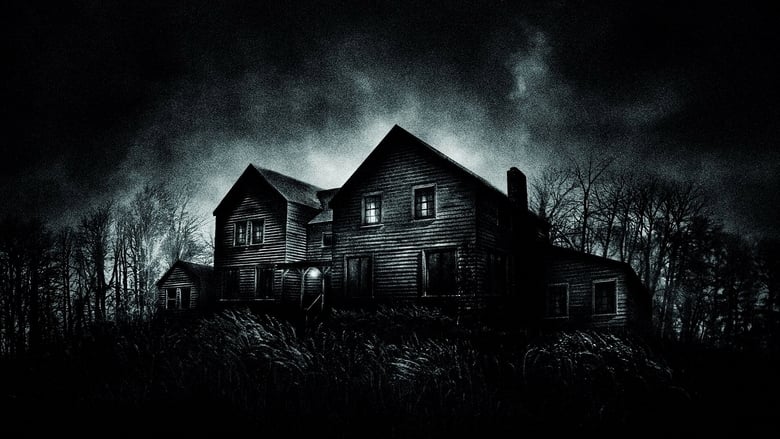
The story follows two teenage girls, Mari and Phyllis, who are abducted by a group of sadistic criminals while on vacation. The gang takes the girls to an abandoned house in the woods where they torture and rape them.
The brutality of these scenes is almost unbearable to watch. However, things take a turn for the worse when it is discovered that Mari’s parents live just a few steps away from where the girls are being held captive.
The film’s plot is not only terrifying but it also highlights issues such as sexual violence, vigilante justice, and how far someone will go to protect their loved ones.
According to news sources, this movie was inspired by Ingmar Bergman’s “The Virgin Spring.” However, Wes Craven added his own spin on the story by making it more violent and gritty.
One of the most striking aspects of The Last House on the Left is its use of unknown actors. This allowed for more realism as audiences were able to relate more easily with characters who were not famous or glamorous.
One quote from Wes Craven regarding casting was: “We had just enough money to get people who had never been in films before.” This was an unorthodox move but worked out incredibly well for the production as each actor gave genuinely raw performances.
Acting-wise, David Hess stood out as Krug Stillo – he played his role with such ease that it seemed as if he had been doing this his entire life. He embodied all that was evil in society during this era giving us a true glimpse into what a monster can look like in real life.
Mari’s mother Estelle Collingswood played by Cindy Williams showed vulnerability and strength all at once. Her range of emotions is extraordinary as she must navigate a difficult and cruel world to save her daughter.
The movie was released in 1972 making it part of a wave of films that explored the darker side of humanity. During this time, violence was rampant in society leading people to question what was happening in their communities.
The score and popularity of the film were so strong that it sparked a new genre – the revenge thriller. It would go on to inspire other movies such as “Ms. 45” (1981), “I Spit On Your Grave” (1978) and “Kill Bill” (2003).
Filming “The Last House on the Left” took place over six weeks in New York City. With a budget under $100,000, crew members had to be resourceful when it came to finding locations and creating props.
One noteworthy aspect of this film is its use of camera work. From close-ups to pans, each shot seems to be meticulously planned out for maximum effect.
Critics’ evaluation of The Last House on the Left varied from one extreme to another with some calling it exploitative while others hailed it as groundbreaking cinema.
In terms of awards, the movie did not receive any accolades during its release; however, over time it has become a cult classic with a large following.
Cinematography-wise, The Last House on the Left used various techniques such as slow-motion shots, bright lighting for intense moments, and shadows for added suspense.
Opinion wise – this movie is not for everyone. It’s gritty nature can be overwhelming even for seasoned horror fans but if you can look beyond violence then you will find an incredibly well-made story about revenge and survival.
This movie contains several scenes that have gone down in history as some of the most brutal ever captured on film. The most talked-about scene involves one character’s demise with a chainsaw. It’s not something for the faint of heart and arguably still too much for some audiences today.
The gossip surrounding the movie is sure to raise eyebrows as well. Apparently, certain cast members did drugs while on set, which may have contributed to their incredibly realistic performances.
The soundtracks composed by David Hess added an atmosphere that enhanced the overall narrative of the film. Additionally, it helped in setting tones for action sequences and building tension throughout various parts of the plot.
An analysis would not be complete without mentioning special effects. The makeup and practical effects used in this movie were so realistic that some even believed they were watching a snuff film rather than a fictional piece of art.
Development-wise, Wes Craven had several challenges while creating this production from casting non-actors to convincing studios to fund such a controversial project.
The dialogue, while crude at times, is incredibly effective in exploring themes like vengeance and morality. It also highlights the power struggles and mentalities behind characters like Krug who uses violence as his lone source of empowerment.
Production-wise, “The Last House on the Left” was a landmark for low-budget filmmaking becoming one of the most significant horror movies ever made due to its sheer audacity and willingness to push boundaries.
Finally, editing played an important role in creating suspense and shock value during moments when violence erupted on screen. The use of multiple camera angles added dimension and complexity to several scenes ensuring viewers were always engaged with what was happening on screen.
While there has been criticism over the years regarding The Last House on The Left’s twisted nature it remains one of cinema’s most significant contributions to modern horror storytelling methods – as such we cannot deny its place in cinema history.
Technical Data
- Runtime : 110
- Release : 2009-03-13
- Genre : Crime, Thriller, Horror, Drama
- Cast : Sara Paxton as Mari Collingwood, Tony Goldwyn as John Collingwood, Monica Potter as Emma Collingwood, Garret Dillahunt as Krug, Spencer Treat Clark as Justin
- Crew : John Murphy as Music, Johnny Breedt as Production Design, Wes Craven as Producer, Wes Craven as Characters, Wes Craven as Original Film Writer
- Popularity 20.702
- Budget : $15,000,000
- Revenue : $32,721,635
- Company : Rogue Pictures, Film Afrika Worldwide, Sean S. Cunningham Films
- Summary : A group of teenage girls heading into the city hook up with a gang of drug-addled ne’er-do-wells and are brutally murdered. The killers find their way to the home of one of their victim’s parents, where both father and mother exact a horrible revenge.
- Tagline : If someone hurt someone you love, how far would you go to get revenge?
