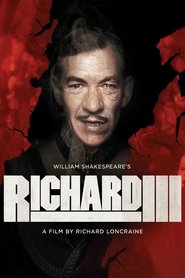
In “Richard III 1995”, the titular character (played by Ian McKellen) is a conniving, manipulative villain who will stop at nothing to seize the throne of England. Through cunning and deceit, he climbs the ladder of power, leaving a trail of destruction in his wake. As he becomes more ruthless, his grip on reality begins to slip, leading to a dramatic climax that sees him face his ultimate downfall. The movie is a dark and gripping portrayal of one man’s quest for power at any cost.
CLICK HERE⇣⇣⇣🎥_Watch Richard III 1995 English Subtitles_
Review
In the world of Shakespeare, there are few characters as infamous as Richard III. And when it comes to cinematic adaptations of the Bard’s work, few are as stunningly successful as the 1995 film adaptation of “Richard III”, directed by Richard Loncraine and starring Ian McKellen in the titular role. If you haven’t seen this film yet, I highly recommend doing so – not only is it a masterful piece of filmmaking, but it’s also a fascinating exploration of power, politics, and morality that feels just as relevant today as it did 25 years ago.
At its core, “Richard III” tells the story of the eponymous king’s rise to power in 15th-century England. Richard is a villainous character from the start: he’s scheming, manipulative, and ruthless in his pursuit of power. But what makes his story so compelling – both in Shakespeare’s play and in this film adaptation – is the way that we’re able to see into his psyche and understand his motivations. Yes, he’s evil – but he’s also deeply human.
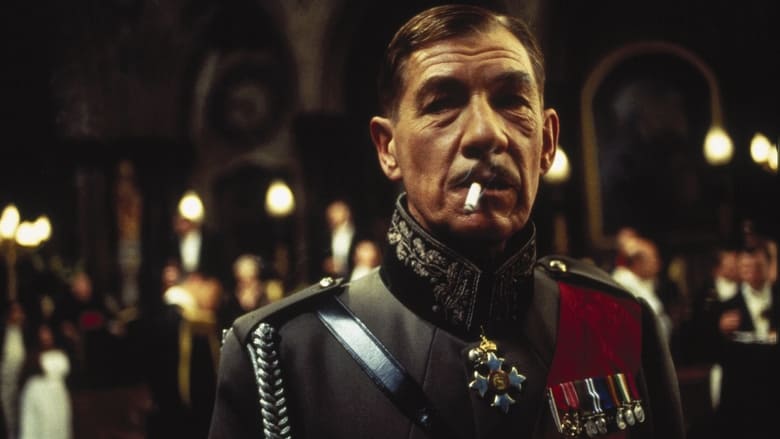
One thing that immediately stands out about the film is its setting. Rather than being set in England during the 1400s (as one might expect), “Richard III” takes place in an alternative version of 1930s England that feels equal parts glamorous and sinister. The decision to set the film in this period was a stroke of genius: not only does it allow for some incredible costumes and production design (seriously, every frame of this movie is an aesthetic delight), but it also creates a sense of timelessness that makes the story feel more universal.
The cast is impeccable, with McKellen stealing every scene he’s in as Richard. He imbues the character with depth and nuance (despite his obvious villainy), making him simultaneously repulsive and magnetic. But he’s not alone in his brilliance – the supporting cast is equally fantastic, with standout performances from Annette Bening as Queen Elizabeth, Jim Broadbent as the Duke of Buckingham, and Maggie Smith as the Duchess of York.
But what really sets “Richard III” apart from other Shakespeare adaptations is its use of music. The score, composed by Trevor Jones, is haunting and evocative, seamlessly blending traditional orchestral instruments with electronic sounds to create something truly unique. And then there’s the use of pop songs: throughout the film, we hear snippets of tunes by artists like Annie Lennox and Sting, all of which have been re-arranged and re-contextualized to fit within the film’s universe. It’s a risky move that could have easily felt gimmicky or distracting – but instead, it adds another layer of richness and complexity to an already complex story.
Of course, no film is perfect – and “Richard III” is certainly not without its flaws. Some might argue that the film’s stylized setting detracts from Shakespeare’s original text or that it leans a little too heavily on spectacle at times. And while those criticisms are valid to a certain extent, I would argue that they don’t detract from the overall experience – if anything, they make it more memorable.
One thing that I find particularly interesting about “Richard III” is the way that it addresses issues of power and morality in a way that feels both timeless and relevant to our current political climate. Richard’s ascent to power is fueled by lies and manipulation; he’s able to convince those around him (including the audience) that he deserves to rule despite his obvious flaws. And while his eventual downfall suggests that justice can prevail even in corrupt systems, it’s hard not to see parallels between his story and those of contemporary politicians who rely on similar tactics.
All in all, “Richard III” is an engrossing and thought-provoking film that deserves to be seen by anyone with an interest in Shakespeare, history, or political drama. It’s a testament to the enduring power of Shakespeare’s work and a showcase for some truly remarkable filmmaking. If you haven’t seen it yet, I strongly encourage you to give it a watch – you won’t be disappointed.
Technical Data
- Runtime : 104
- Release : 1995-12-29
- Genre : Drama, War
- Cast : Ian McKellen as Richard III, Annette Bening as Queen Elizabeth, Jim Broadbent as The Duke of Buckingham, Robert Downey Jr. as Earl Rivers, Kristin Scott Thomas as Lady Anne
- Crew : Irene Lamb as Casting Director, Ian McKellen as Screenplay, Ian McKellen as Executive Producer, Tony Burrough as Production Design, Richard Bridgland as Art Direction
- Popularity 13.201
- Budget : 0
- Revenue : $2,748,518
- Company : Mayfair Entertainment International, British Screen, United Artists
- Summary : A murderous lust for the British throne sees Richard III descend into madness. Though the setting is transposed to the 1930s, England is torn by civil war, split between the rivaling houses of York and Lancaster. Richard aspires to a fascist dictatorship, but must first remove the obstacles to his ascension—among them his brother, his nephews and his brother’s wife. When the Duke of Buckingham deserts him, Richard’s plans are compromised.
- Tagline : I can smile, and murder while I smile
